 06f1fd69a6
Some checks failed
Self-hosted runner (nightly-past-ci-caller) / Get number (push) Has been cancelled
Self-hosted runner (nightly-past-ci-caller) / TensorFlow 2.11 (push) Has been cancelled
Self-hosted runner (nightly-past-ci-caller) / TensorFlow 2.10 (push) Has been cancelled
Self-hosted runner (nightly-past-ci-caller) / TensorFlow 2.9 (push) Has been cancelled
Self-hosted runner (nightly-past-ci-caller) / TensorFlow 2.8 (push) Has been cancelled
Self-hosted runner (nightly-past-ci-caller) / TensorFlow 2.7 (push) Has been cancelled
Self-hosted runner (nightly-past-ci-caller) / TensorFlow 2.6 (push) Has been cancelled
Self-hosted runner (nightly-past-ci-caller) / TensorFlow 2.5 (push) Has been cancelled
Self-hosted runner (benchmark) / Benchmark (aws-g5-4xlarge-cache) (push) Has been cancelled
Build documentation / build (push) Has been cancelled
Build documentation / build_other_lang (push) Has been cancelled
CodeQL Security Analysis / CodeQL Analysis (push) Has been cancelled
New model PR merged notification / Notify new model (push) Has been cancelled
PR CI / pr-ci (push) Has been cancelled
Slow tests on important models (on Push - A10) / Get all modified files (push) Has been cancelled
Secret Leaks / trufflehog (push) Has been cancelled
Update Transformers metadata / build_and_package (push) Has been cancelled
Slow tests on important models (on Push - A10) / Model CI (push) Has been cancelled
Check Tiny Models / Check tiny models (push) Has been cancelled
Self-hosted runner (Intel Gaudi3 scheduled CI caller) / Model CI (push) Has been cancelled
Self-hosted runner (Intel Gaudi3 scheduled CI caller) / Pipeline CI (push) Has been cancelled
Self-hosted runner (Intel Gaudi3 scheduled CI caller) / Example CI (push) Has been cancelled
Self-hosted runner (Intel Gaudi3 scheduled CI caller) / DeepSpeed CI (push) Has been cancelled
Self-hosted runner (Intel Gaudi3 scheduled CI caller) / Trainer/FSDP CI (push) Has been cancelled
Nvidia CI - Flash Attn / Setup (push) Has been cancelled
Nvidia CI - Flash Attn / Model CI (push) Has been cancelled
Nvidia CI / Setup (push) Has been cancelled
Nvidia CI / Model CI (push) Has been cancelled
Nvidia CI / Torch pipeline CI (push) Has been cancelled
Nvidia CI / Example CI (push) Has been cancelled
Nvidia CI / Trainer/FSDP CI (push) Has been cancelled
Nvidia CI / DeepSpeed CI (push) Has been cancelled
Nvidia CI / Quantization CI (push) Has been cancelled
Nvidia CI / Kernels CI (push) Has been cancelled
Doctests / Setup (push) Has been cancelled
Doctests / Call doctest jobs (push) Has been cancelled
Doctests / Send results to webhook (push) Has been cancelled
Extras Smoke Test / Get supported Python versions (push) Has been cancelled
Extras Smoke Test / Test extras on Python ${{ matrix.python-version }} (push) Has been cancelled
Extras Smoke Test / Check Slack token availability (push) Has been cancelled
Extras Smoke Test / Notify failures to Slack (push) Has been cancelled
Self-hosted runner (AMD scheduled CI caller) / Trigger Scheduled AMD CI (push) Has been cancelled
Stale Bot / Close Stale Issues (push) Has been cancelled
153 lines
6.8 KiB
Markdown
153 lines
6.8 KiB
Markdown
<!--Copyright 2022 The HuggingFace Team. All rights reserved.
|
|
|
|
Licensed under the Apache License, Version 2.0 (the "License"); you may not use this file except in compliance with
|
|
the License. You may obtain a copy of the License at
|
|
|
|
http://www.apache.org/licenses/LICENSE-2.0
|
|
|
|
Unless required by applicable law or agreed to in writing, software distributed under the License is distributed on
|
|
an "AS IS" BASIS, WITHOUT WARRANTIES OR CONDITIONS OF ANY KIND, either express or implied. See the License for the
|
|
specific language governing permissions and limitations under the License.
|
|
|
|
⚠️ Note that this file is in Markdown but contain specific syntax for our doc-builder (similar to MDX) that may not be
|
|
rendered properly in your Markdown viewer.
|
|
|
|
-->
|
|
|
|
# Pipeline per l'inferenza
|
|
|
|
La [`pipeline`] rende semplice usare qualsiasi modello dal [Model Hub](https://huggingface.co/models) per fare inferenza su diversi compiti come generazione del testo, segmentazione di immagini e classificazione di audio. Anche se non hai esperienza con una modalità specifica o non comprendi bene il codice che alimenta i modelli, è comunque possibile utilizzarli con l'opzione [`pipeline`]! Questa esercitazione ti insegnerà a:
|
|
|
|
* Usare una [`pipeline`] per fare inferenza.
|
|
* Usare uno specifico tokenizer o modello.
|
|
* Usare una [`pipeline`] per compiti che riguardano audio e video.
|
|
|
|
<Tip>
|
|
|
|
Dai un'occhiata alla documentazione di [`pipeline`] per una lista completa dei compiti supportati.
|
|
|
|
</Tip>
|
|
|
|
## Utilizzo della Pipeline
|
|
|
|
Nonostante ogni compito abbia una [`pipeline`] associata, è più semplice utilizzare l'astrazione generica della [`pipeline`] che contiene tutte quelle specifiche per ogni mansione. La [`pipeline`] carica automaticamente un modello predefinito e un tokenizer in grado di fare inferenza per il tuo compito.
|
|
|
|
1. Inizia creando una [`pipeline`] e specificando il compito su cui fare inferenza:
|
|
|
|
```py
|
|
>>> from transformers import pipeline
|
|
|
|
>>> generator = pipeline(task="text-generation")
|
|
```
|
|
|
|
2. Inserisci il testo in input nella [`pipeline`]:
|
|
|
|
```py
|
|
>>> generator(
|
|
... "Three Rings for the Elven-kings under the sky, Seven for the Dwarf-lords in their halls of stone"
|
|
... ) # doctest: +SKIP
|
|
[{'generated_text': 'Three Rings for the Elven-kings under the sky, Seven for the Dwarf-lords in their halls of stone, Seven for the Iron-priests at the door to the east, and thirteen for the Lord Kings at the end of the mountain'}]
|
|
```
|
|
|
|
Se hai più di un input, inseriscilo in una lista:
|
|
|
|
```py
|
|
>>> generator(
|
|
... [
|
|
... "Three Rings for the Elven-kings under the sky, Seven for the Dwarf-lords in their halls of stone",
|
|
... "Nine for Mortal Men, doomed to die, One for the Dark Lord on his dark throne",
|
|
... ]
|
|
... ) # doctest: +SKIP
|
|
```
|
|
|
|
Qualsiasi parametro addizionale per il tuo compito può essere incluso nella [`pipeline`]. La mansione `text-generation` ha un metodo [`~generation.GenerationMixin.generate`] con diversi parametri per controllare l'output. Ad esempio, se desideri generare più di un output, utilizza il parametro `num_return_sequences`:
|
|
|
|
```py
|
|
>>> generator(
|
|
... "Three Rings for the Elven-kings under the sky, Seven for the Dwarf-lords in their halls of stone",
|
|
... num_return_sequences=2,
|
|
... ) # doctest: +SKIP
|
|
```
|
|
|
|
### Scegliere modello e tokenizer
|
|
|
|
La [`pipeline`] accetta qualsiasi modello dal [Model Hub](https://huggingface.co/models). Ci sono tag nel Model Hub che consentono di filtrare i modelli per attività. Una volta che avrai scelto il modello appropriato, caricalo usando la corrispondente classe `AutoModelFor` e [`AutoTokenizer`]. Ad esempio, carica la classe [`AutoModelForCausalLM`] per un compito di causal language modeling:
|
|
|
|
```py
|
|
>>> from transformers import AutoTokenizer, AutoModelForCausalLM
|
|
|
|
>>> tokenizer = AutoTokenizer.from_pretrained("distilbert/distilgpt2")
|
|
>>> model = AutoModelForCausalLM.from_pretrained("distilbert/distilgpt2")
|
|
```
|
|
|
|
Crea una [`pipeline`] per il tuo compito, specificando il modello e il tokenizer che hai caricato:
|
|
|
|
```py
|
|
>>> from transformers import pipeline
|
|
|
|
>>> generator = pipeline(task="text-generation", model=model, tokenizer=tokenizer)
|
|
```
|
|
|
|
Inserisci il testo di input nella [`pipeline`] per generare del testo:
|
|
|
|
```py
|
|
>>> generator(
|
|
... "Three Rings for the Elven-kings under the sky, Seven for the Dwarf-lords in their halls of stone"
|
|
... ) # doctest: +SKIP
|
|
[{'generated_text': 'Three Rings for the Elven-kings under the sky, Seven for the Dwarf-lords in their halls of stone, Seven for the Dragon-lords (for them to rule in a world ruled by their rulers, and all who live within the realm'}]
|
|
```
|
|
|
|
## Audio pipeline
|
|
|
|
La flessibilità della [`pipeline`] fa si che possa essere estesa ad attività sugli audio.
|
|
|
|
Per esempio, classifichiamo le emozioni in questo clip audio:
|
|
|
|
```py
|
|
>>> from datasets import load_dataset
|
|
>>> import torch
|
|
|
|
>>> torch.manual_seed(42) # doctest: +IGNORE_RESULT
|
|
>>> ds = load_dataset("hf-internal-testing/librispeech_asr_demo", "clean", split="validation")
|
|
>>> audio_file = ds[0]["audio"]["path"]
|
|
```
|
|
|
|
Trova un modello per la [classificazione audio](https://huggingface.co/models?pipeline_tag=audio-classification) sul Model Hub per eseguire un compito di riconoscimento automatico delle emozioni e caricalo nella [`pipeline`]:
|
|
|
|
```py
|
|
>>> from transformers import pipeline
|
|
|
|
>>> audio_classifier = pipeline(
|
|
... task="audio-classification", model="ehcalabres/wav2vec2-lg-xlsr-en-speech-emotion-recognition"
|
|
... )
|
|
```
|
|
|
|
Inserisci il file audio nella [`pipeline`]:
|
|
|
|
```py
|
|
>>> preds = audio_classifier(audio_file)
|
|
>>> preds = [{"score": round(pred["score"], 4), "label": pred["label"]} for pred in preds]
|
|
>>> preds
|
|
[{'score': 0.1315, 'label': 'calm'}, {'score': 0.1307, 'label': 'neutral'}, {'score': 0.1274, 'label': 'sad'}, {'score': 0.1261, 'label': 'fearful'}, {'score': 0.1242, 'label': 'happy'}]
|
|
```
|
|
|
|
## Vision pipeline
|
|
|
|
Infine, usare la [`pipeline`] per le attività sulle immagini è praticamente la stessa cosa.
|
|
|
|
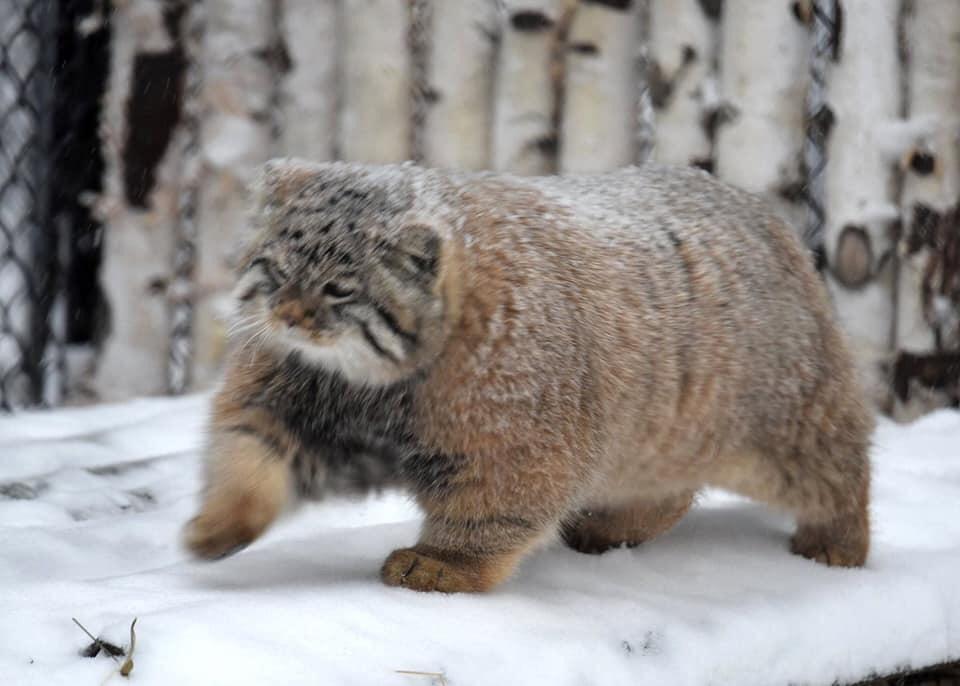
Specifica la tua attività e inserisci l'immagine nel classificatore. L'immagine può essere sia un link che un percorso sul tuo pc in locale. Per esempio, quale specie di gatto è raffigurata qui sotto?
|
|
|
|
|
|
|
|
```py
|
|
>>> from transformers import pipeline
|
|
|
|
>>> vision_classifier = pipeline(task="image-classification")
|
|
>>> preds = vision_classifier(
|
|
... images="https://huggingface.co/datasets/huggingface/documentation-images/resolve/main/pipeline-cat-chonk.jpeg"
|
|
... )
|
|
>>> preds = [{"score": round(pred["score"], 4), "label": pred["label"]} for pred in preds]
|
|
>>> preds
|
|
[{'score': 0.4335, 'label': 'lynx, catamount'}, {'score': 0.0348, 'label': 'cougar, puma, catamount, mountain lion, painter, panther, Felis concolor'}, {'score': 0.0324, 'label': 'snow leopard, ounce, Panthera uncia'}, {'score': 0.0239, 'label': 'Egyptian cat'}, {'score': 0.0229, 'label': 'tiger cat'}]
|
|
```
|